[
INDUSTRIES
]
Industries
SolrX sits at the intersection of large‑scale solar generation and high‑density digital infrastructure, built for the sectors where energy cost and carbon intensity directly shape competitiveness.
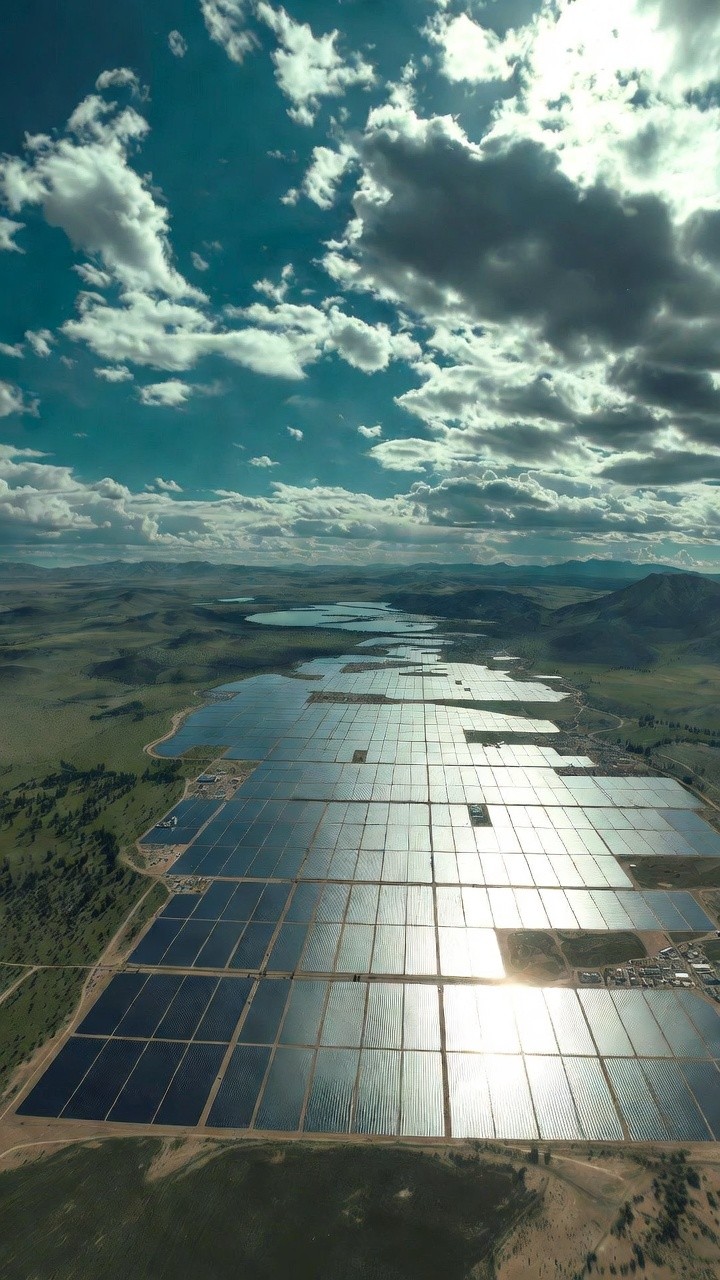
TRUSTED BY GROWTH‑FOCUSED ENERGY USERS – DATA CENTERS, CLOUD PROVIDERS, AND INDUSTRIAL OFFTAKERS ACROSS EUROPE AND BEYOND ARE SHIFTING TOWARD DEDICATED RENEWABLE SUPPLY.
TRUSTED BY GROWTH‑FOCUSED ENERGY USERS – DATA CENTERS, CLOUD PROVIDERS, AND INDUSTRIAL OFFTAKERS ACROSS EUROPE AND BEYOND ARE SHIFTING TOWARD DEDICATED RENEWABLE SUPPLY.
[
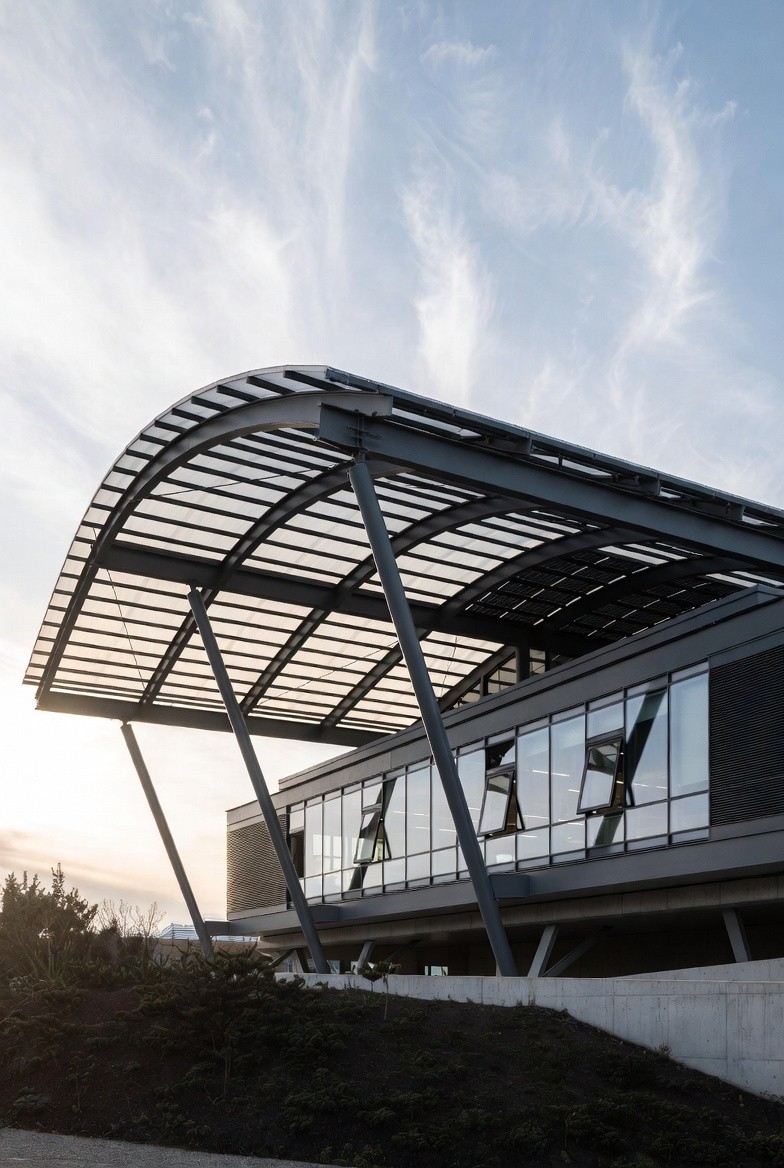
Applied efficiency
]
Digital Infrastructure & Clean Power
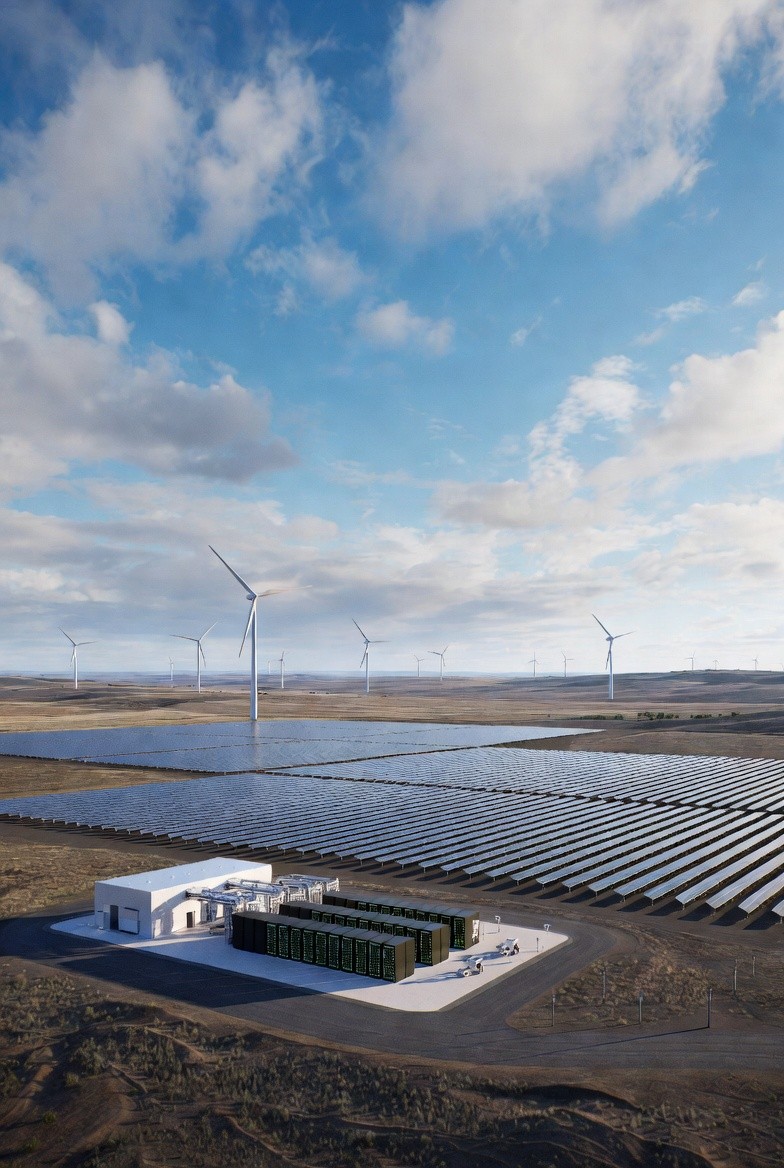
From hyperscale cloud and AI compute to colocation and enterprise workloads, SolrX is designed for industries where power is both a cost line and a strategic risk. By pairing utility‑scale solar with private‑wire options, we help operators secure long‑term, low‑carbon power in a location positioned as a regional hub for data and connectivity.
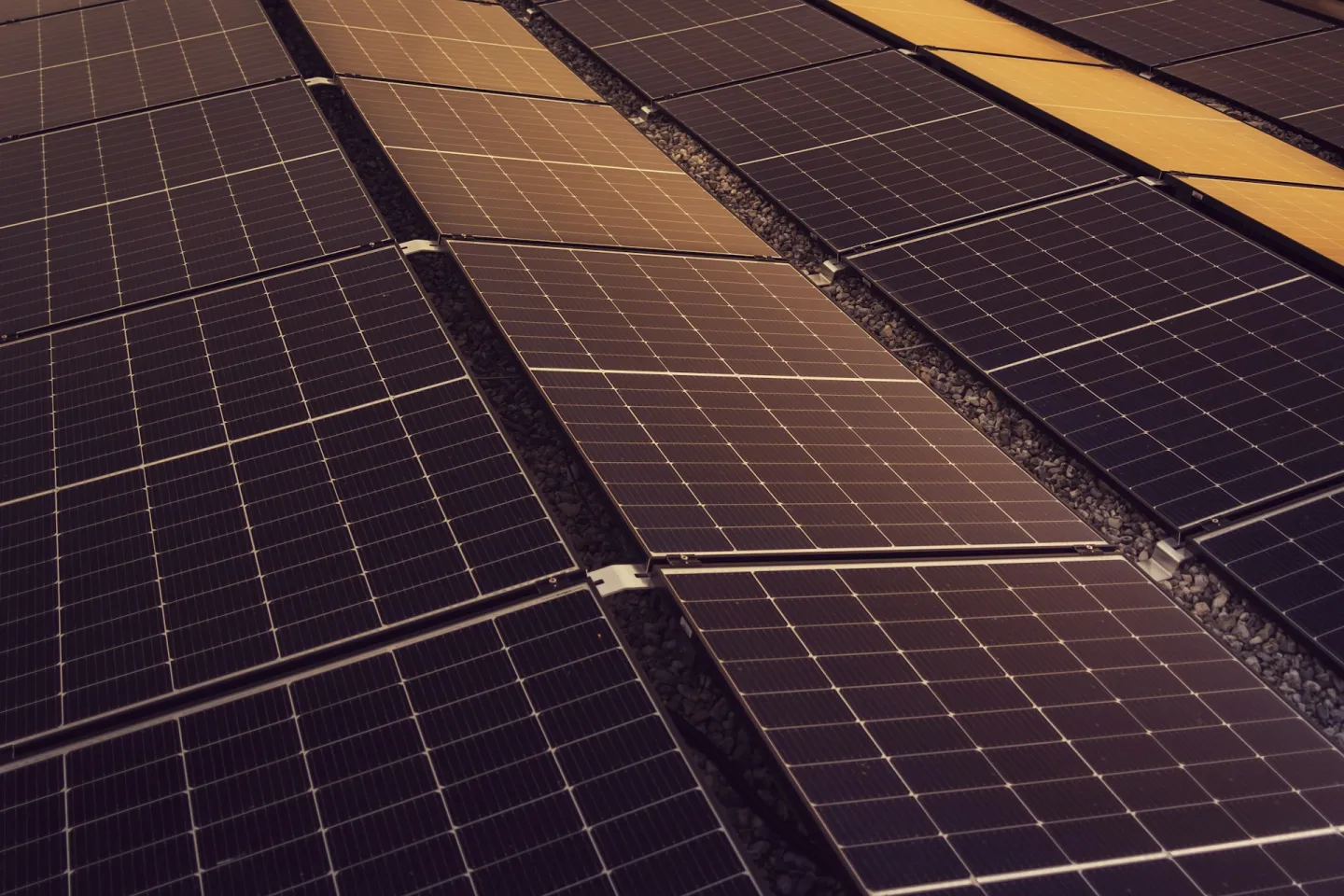
solar potential
solar potential
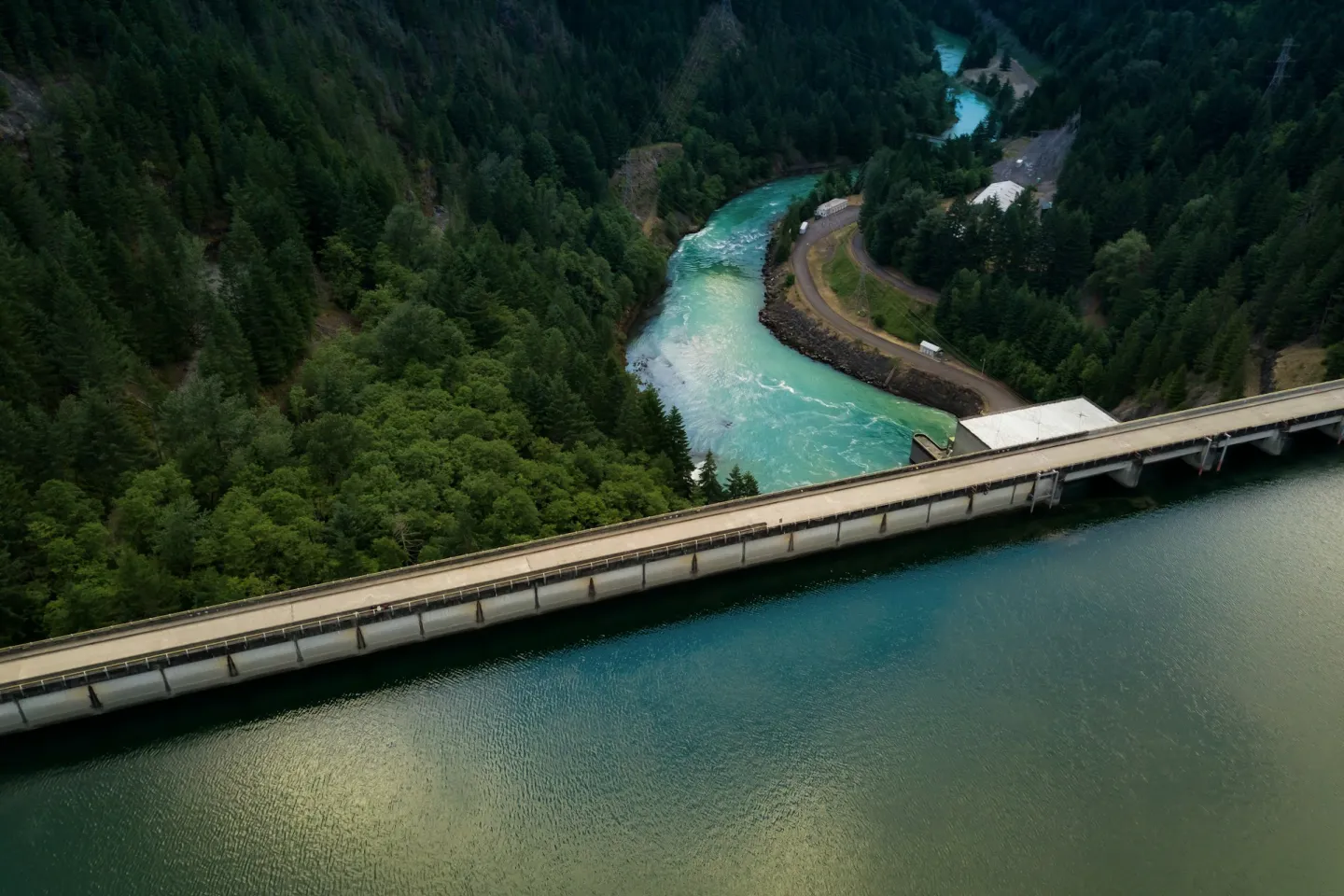
optimized energy
optimized energy
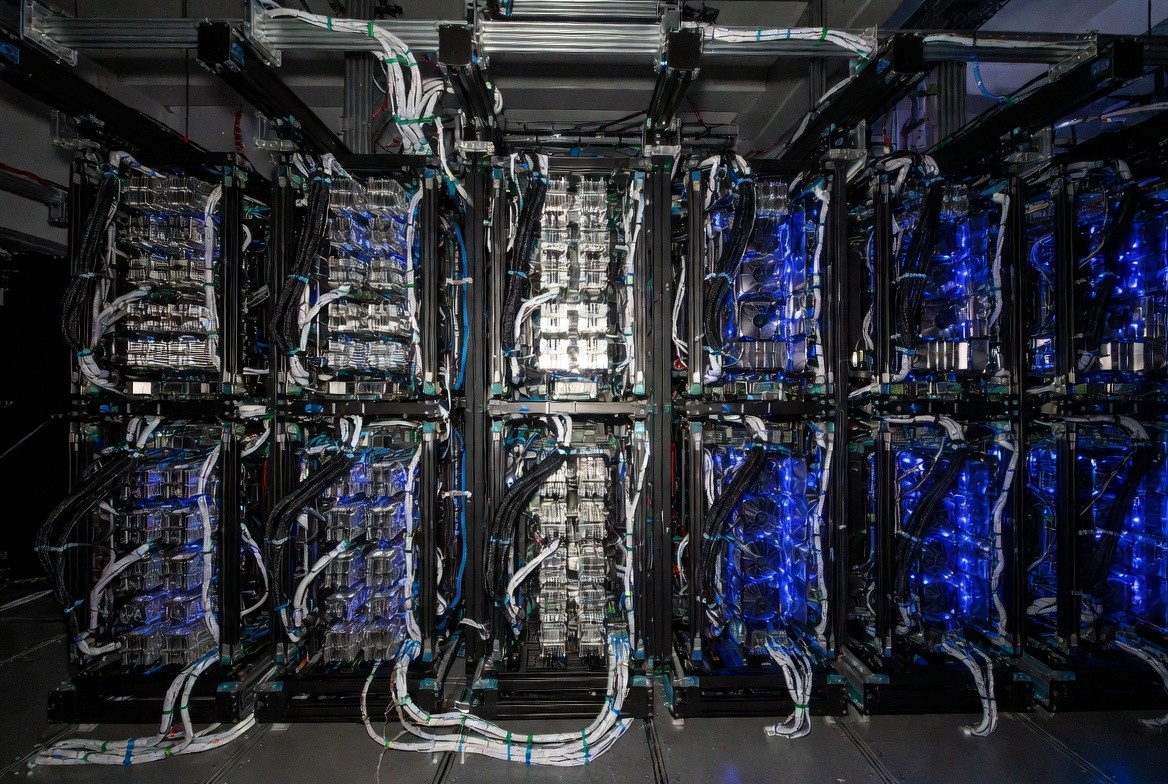
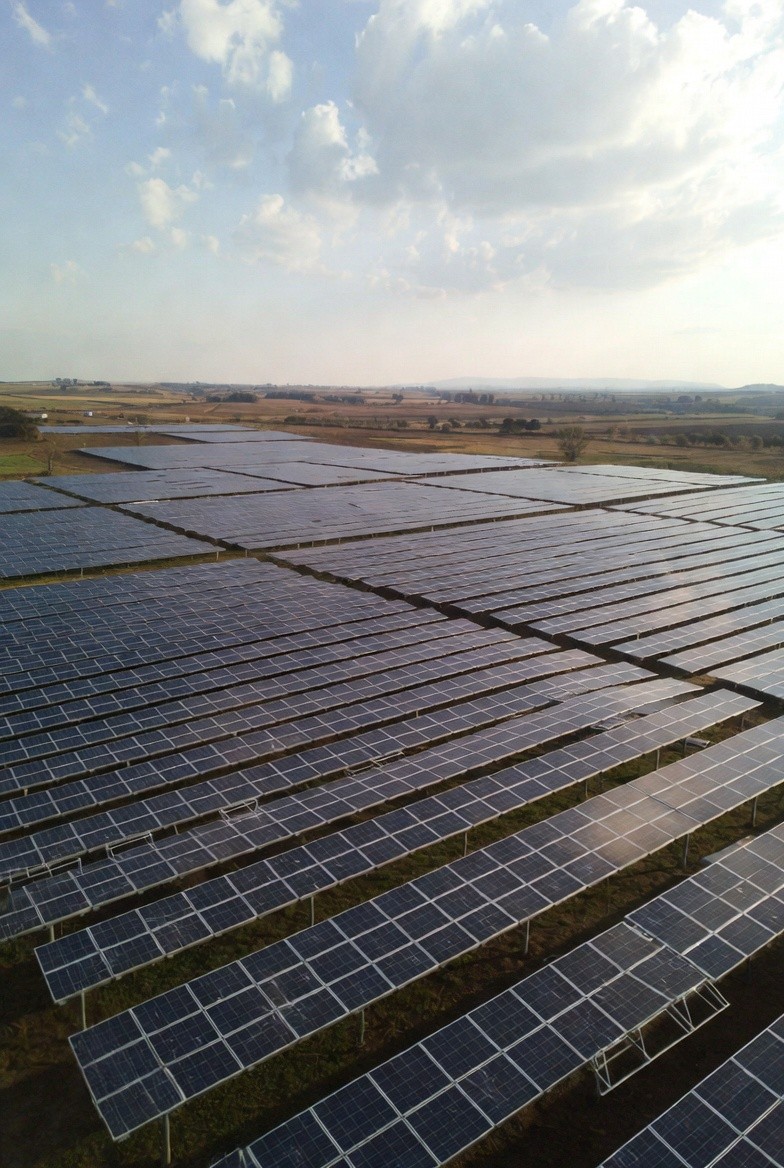
HYPERSCALE COMPUTE
HYPERSCALE COMPUTE

DATA CAMPUS
DATA CAMPUS
[
our purpose
]
Solar Potential Optimized Energy
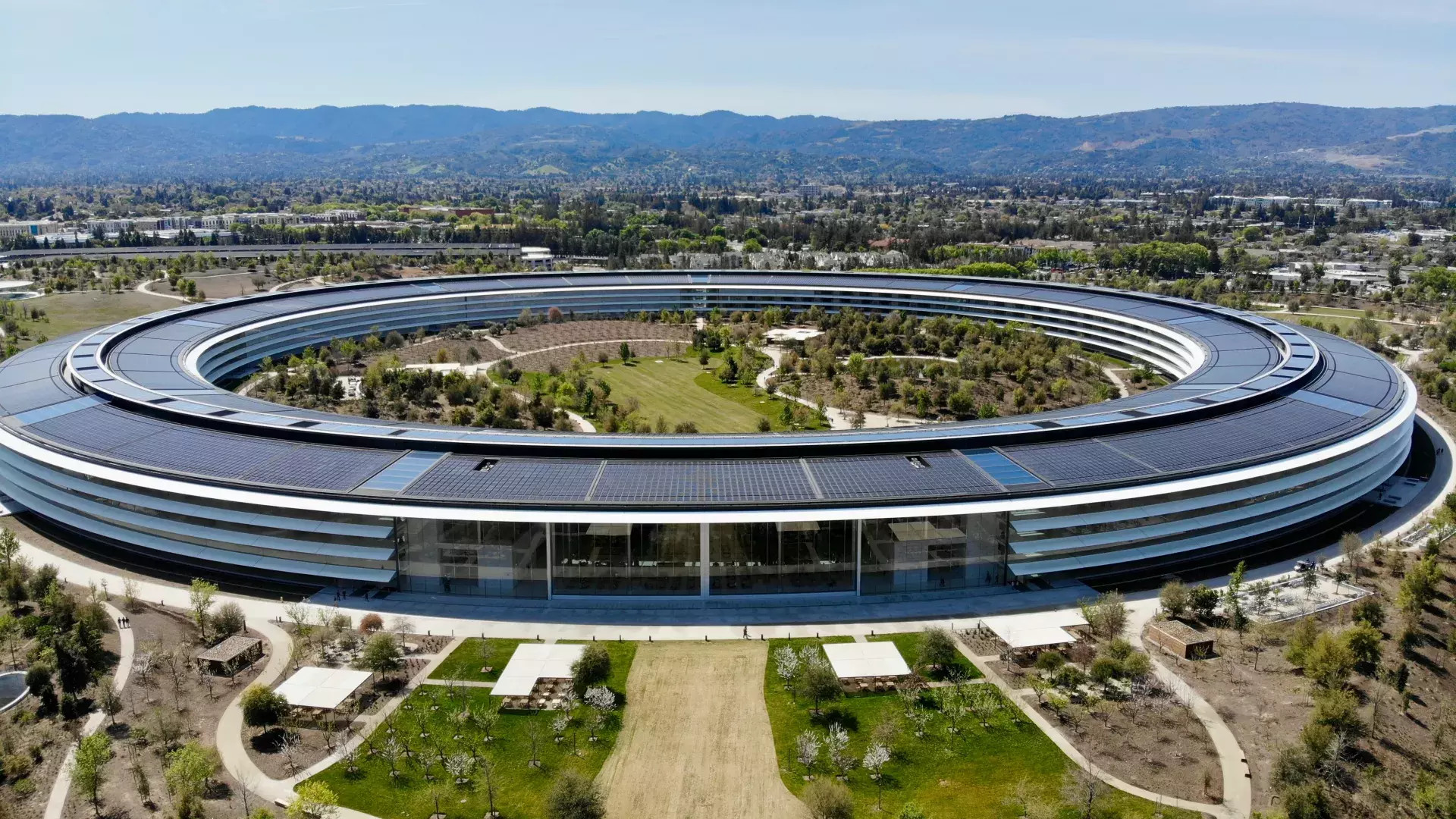
Data centers already account for a meaningful share of global electricity use, and leading tech companies are increasingly turning to on‑site or dedicated solar supply to control costs and meet renewable targets.
SolrX exists to give energy‑intensive industries—especially data centers, cloud, AI and advanced manufacturing—a clearer path to dedicated green power that can scale with their operations. We design our platform so that each industry can plug into a pre‑engineered combination of land, solar, and private‑wire infrastructure instead of starting from scratch in an emerging market.

Grid Mastery
Grid Mastery

Renewables
Renewables

Logistics
Logistics

Circular Systems
Circular Systems

Automation
Automation

Pipelines
Pipelines
solar potential
Lifecycle Consulting

accelerated fulfilment
solar potential
Lifecycle Consulting

solar potential
solar potential
Lifecycle Consulting
accelerated fulfilment
solar potential
Lifecycle Consulting
accelerated fulfilment
[
FAQs
]
Frequently Asked Questions
SolrX works with a focused set of industries where long‑term power reliability, price visibility, and decarbonization are strategic priorities. Below are some of the questions we most often receive from data‑center operators, cloud providers, and institutional investors considering the platform.
How does SolrX structure power supply for data centers—grid‑connected, behind‑the‑meter, or a mix of both?
SolrX is designed primarily as a behind-the-meter (BTM) platform using private-wire connections that deliver solar power directly to adjacent data-center infrastructure without using the state transmission grid. This bypasses interconnection queues, transmission charges, and grid congestion—reducing delivered power costs by up to 30% compared to standard industrial tariffs. The platform can also operate in a hybrid mode: surplus solar generation during peak production hours feeds into the EMS grid under standard market pricing, while dedicated BTM supply serves anchor tenants during their contracted hours. This flexible structure allows hyperscalers and HPC operators to secure predictable, low-carbon baseload power while maintaining grid backup for redundancy.
What types of industries and workloads (AI, cloud, HPC, industrial) are the best fit for SolrX’s solar‑plus‑land platform?
SolrX is optimally suited for energy-intensive, high-density compute workloads where power represents 60%+ of operating costs. The platform is engineered for AI training and inference clusters, high-performance computing like scientific computing and rendering farms, hyperscale cloud and colocation for regional cloud nodes and edge computing hubs, and industrial manufacturing seeking long-term green power. The key differentiator is that SolrX works best for operators who can structure workloads around solar availability patterns or pair on-site storage, rather than requiring 24/7 firm power from day one.
How does locating in Serbia affect latency, connectivity, and access to regional fiber backbones for international tenants?
Serbia sits at a strategic fiber-optic crossroads between Frankfurt and Istanbul, with direct connectivity to Middle Eastern and Asian routes. Telekom Srbija has deployed high-capacity, low-latency fiber infrastructure with 800 Gb/s coherent optical technology on key European routes, positioning the country as a regional connectivity hub for Southeast Europe. For practical latency benchmarks: Frankfurt is 15-25ms, Istanbul is 10-20ms, and Vienna, Budapest, Prague are under 15ms. Serbia's technologically neutral regulatory stance allows data-center operators to serve both Western and Eastern technology ecosystems without geopolitical restrictions—a unique advantage that most EU markets cannot offer. The government is actively investing in digital infrastructure, including the expansion of the Kragujevac state data center with UAE-backed partnerships, signaling institutional commitment to the sector.
What contractual models are available—pure PPA, land‑and‑power lease, or full campus co‑development with a data‑center partner?
SolrX offers three flexible commercial structures to accommodate different investor and operator mandates: Model A is a Pure Power Purchase Agreement where the solar SPV sells electricity to the data-center operator at a fixed €/MWh rate over 15-25 years, with SolrX retaining land ownership and operational control. Model B is the Land + Power Lease or Landlord Model where SolrX leases data-center-ready land and provides dedicated behind-the-meter power as a bundled service while tenants construct their facilities, creating dual revenue streams from fixed land lease and energy supply. Model C is Campus Co-Development as a joint venture where SolrX participates in data-center shell and M&E investment alongside a specialist DC developer, unlocking higher EBITDA multiples typical of operating colocation platforms. All structures can be customized to include renewable energy certificate transfer, Scope 2 emissions attestation, and ESG reporting support.
How does SolrX manage grid‑connection risk and ensure that industrial and digital clients have the capacity they need over time?
SolrX treats grid connection as the critical path with pre-secured connection studies that exempt the project from Serbia's EMS postponement regime, sequenced permitting and reinforcement planning budgeted into Phase 1, and phased capacity deployment starting with a 5 MW pilot to prove grid integration before scaling. For data-center tenants, private-wire delivery bypasses grid capacity constraints entirely, insulating clients from interconnection queues that can stretch 18-24 months for new projects. The platform is engineered so that even if full grid export capacity is delayed, dedicated behind-the-meter supply to anchor tenants can commence using private infrastructure, protecting contracted offtake commitments.
What ESG, carbon‑reporting, and additionality benefits can clients claim by sourcing power from a dedicated solar‑backed campus instead of generic grid mix?
Sourcing power from SolrX's dedicated solar platform delivers Scope 2 emissions reduction as zero-carbon power under GHG Protocol, additionality as new renewable capacity built specifically to serve client demand, and avoided double-counting since energy attributes are retained by the offtaker. SolrX provides facility-specific generation data enabling clients to report verifiable renewable energy consumption under GRI, SASB, CDP, and TCFD frameworks, qualifying for the highest credibility tier in ESG ratings and sustainability-linked financing covenants. The green data campus narrative provides a defendable, visual sustainability story for hyperscalers facing public scrutiny over energy consumption, reducing exposure to fossil-fuel-backed grid power during peak hours.
[
FAQs
]
Frequently Asked Questions
SolrX works with a focused set of industries where long‑term power reliability, price visibility, and decarbonization are strategic priorities. Below are some of the questions we most often receive from data‑center operators, cloud providers, and institutional investors considering the platform.
How does SolrX structure power supply for data centers—grid‑connected, behind‑the‑meter, or a mix of both?
SolrX is designed primarily as a behind-the-meter (BTM) platform using private-wire connections that deliver solar power directly to adjacent data-center infrastructure without using the state transmission grid. This bypasses interconnection queues, transmission charges, and grid congestion—reducing delivered power costs by up to 30% compared to standard industrial tariffs. The platform can also operate in a hybrid mode: surplus solar generation during peak production hours feeds into the EMS grid under standard market pricing, while dedicated BTM supply serves anchor tenants during their contracted hours. This flexible structure allows hyperscalers and HPC operators to secure predictable, low-carbon baseload power while maintaining grid backup for redundancy.
What types of industries and workloads (AI, cloud, HPC, industrial) are the best fit for SolrX’s solar‑plus‑land platform?
SolrX is optimally suited for energy-intensive, high-density compute workloads where power represents 60%+ of operating costs. The platform is engineered for AI training and inference clusters, high-performance computing like scientific computing and rendering farms, hyperscale cloud and colocation for regional cloud nodes and edge computing hubs, and industrial manufacturing seeking long-term green power. The key differentiator is that SolrX works best for operators who can structure workloads around solar availability patterns or pair on-site storage, rather than requiring 24/7 firm power from day one.
How does locating in Serbia affect latency, connectivity, and access to regional fiber backbones for international tenants?
Serbia sits at a strategic fiber-optic crossroads between Frankfurt and Istanbul, with direct connectivity to Middle Eastern and Asian routes. Telekom Srbija has deployed high-capacity, low-latency fiber infrastructure with 800 Gb/s coherent optical technology on key European routes, positioning the country as a regional connectivity hub for Southeast Europe. For practical latency benchmarks: Frankfurt is 15-25ms, Istanbul is 10-20ms, and Vienna, Budapest, Prague are under 15ms. Serbia's technologically neutral regulatory stance allows data-center operators to serve both Western and Eastern technology ecosystems without geopolitical restrictions—a unique advantage that most EU markets cannot offer. The government is actively investing in digital infrastructure, including the expansion of the Kragujevac state data center with UAE-backed partnerships, signaling institutional commitment to the sector.
What contractual models are available—pure PPA, land‑and‑power lease, or full campus co‑development with a data‑center partner?
SolrX offers three flexible commercial structures to accommodate different investor and operator mandates: Model A is a Pure Power Purchase Agreement where the solar SPV sells electricity to the data-center operator at a fixed €/MWh rate over 15-25 years, with SolrX retaining land ownership and operational control. Model B is the Land + Power Lease or Landlord Model where SolrX leases data-center-ready land and provides dedicated behind-the-meter power as a bundled service while tenants construct their facilities, creating dual revenue streams from fixed land lease and energy supply. Model C is Campus Co-Development as a joint venture where SolrX participates in data-center shell and M&E investment alongside a specialist DC developer, unlocking higher EBITDA multiples typical of operating colocation platforms. All structures can be customized to include renewable energy certificate transfer, Scope 2 emissions attestation, and ESG reporting support.
How does SolrX manage grid‑connection risk and ensure that industrial and digital clients have the capacity they need over time?
SolrX treats grid connection as the critical path with pre-secured connection studies that exempt the project from Serbia's EMS postponement regime, sequenced permitting and reinforcement planning budgeted into Phase 1, and phased capacity deployment starting with a 5 MW pilot to prove grid integration before scaling. For data-center tenants, private-wire delivery bypasses grid capacity constraints entirely, insulating clients from interconnection queues that can stretch 18-24 months for new projects. The platform is engineered so that even if full grid export capacity is delayed, dedicated behind-the-meter supply to anchor tenants can commence using private infrastructure, protecting contracted offtake commitments.
What ESG, carbon‑reporting, and additionality benefits can clients claim by sourcing power from a dedicated solar‑backed campus instead of generic grid mix?
Sourcing power from SolrX's dedicated solar platform delivers Scope 2 emissions reduction as zero-carbon power under GHG Protocol, additionality as new renewable capacity built specifically to serve client demand, and avoided double-counting since energy attributes are retained by the offtaker. SolrX provides facility-specific generation data enabling clients to report verifiable renewable energy consumption under GRI, SASB, CDP, and TCFD frameworks, qualifying for the highest credibility tier in ESG ratings and sustainability-linked financing covenants. The green data campus narrative provides a defendable, visual sustainability story for hyperscalers facing public scrutiny over energy consumption, reducing exposure to fossil-fuel-backed grid power during peak hours.
[
our blog
]
News & Insight.
Explore SolrX